Nonrounded Prices Raised Stated Intent to Order Small Plates
In an Ohio State University experiment with 244 U.S. adults, a $7.99 small plate drew more intended orders than an $8.00 one, while regular meals showed no gap.
Published:
Read time: 4 min
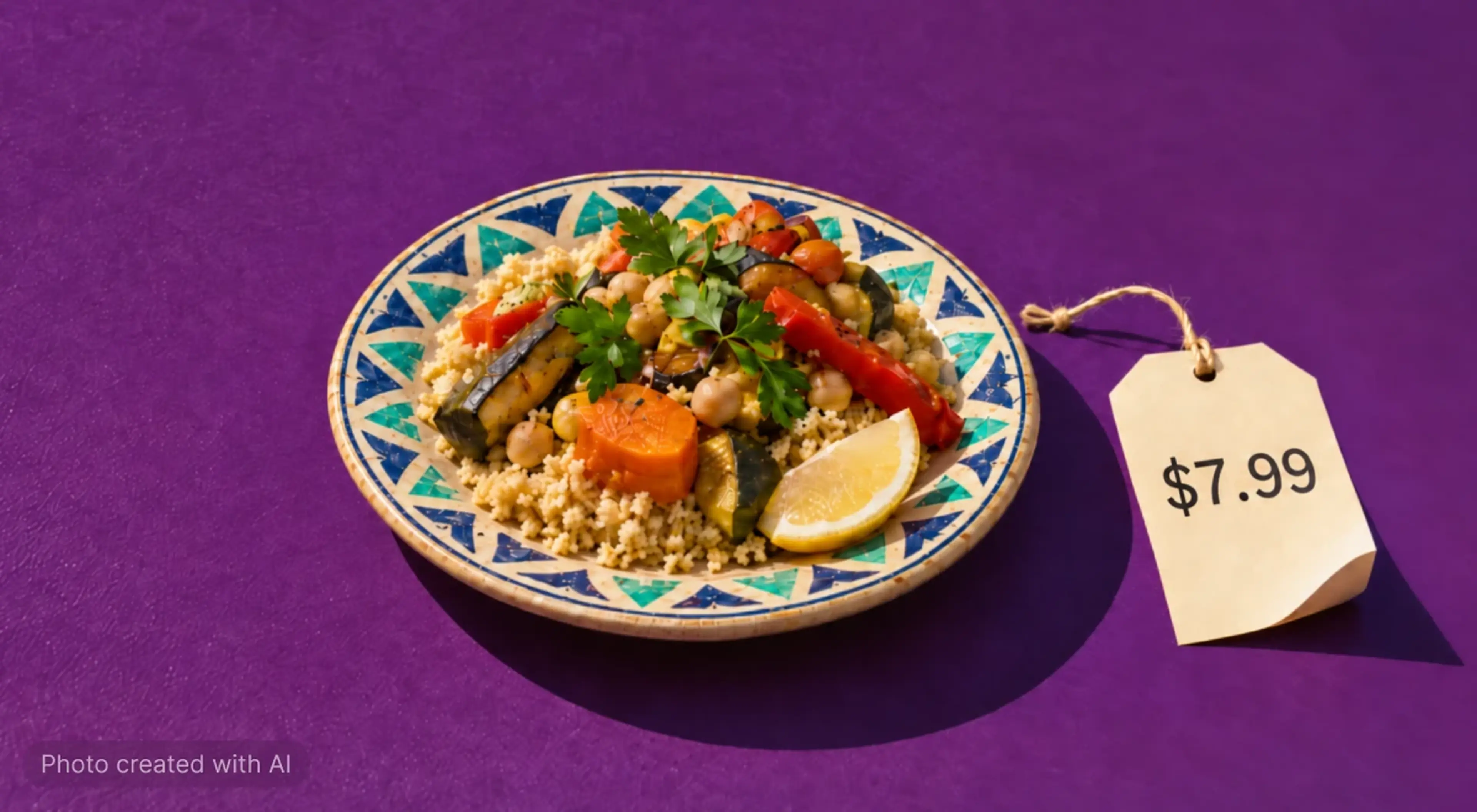
A nonrounded price, meaning one ending in .99 instead of .00, raised customers' stated intention to order small plates in a study from Ohio State University, yet the same change made no difference for regular-sized meals. In an experiment with 244 American adults who imagined ordering lunch at a fictitious restaurant, a small soup-and-sandwich combo at $7.99 drew more intended orders than the same combo at $8.00. The authors identify perceived fairness as the mechanism behind the gap.
Ohio State University announced the findings in a press release, which describes a paper in the Journal of Hospitality and Tourism Management that the release, dated November 12, 2026, says was published recently. Xi Yu, now associate professor at City University of Macau, is first author, and Stephanie Liu, associate professor of hospitality management at Ohio State, is senior author.
Interviews with 36 consumers put price fairness at the center
The study combined interviews with an experiment. In the interviews, 36 consumers named three themes. Small plates often looked overpriced for their portion size, and pricing fairness was a central concern. Nonrounded prices went with better value as well as a higher chance of purchase.
Mixed methods means two kinds of evidence. Interviews show how people talk about small plates in their own words. An experiment changes prices on purpose, then measures the reaction.
Interviewees also gave reasons they liked small plates. They called them a healthier choice, a way to reduce food waste, and a way to add variety to a meal.
The question came from Yu's own experience during the pandemic lockdown. She could not finish a full-size sandwich, ordered the 6-inch one, and thought its price was unfair for the smaller size. She was a PhD student at Ohio State then.
Liu says restaurants often treat pricing as revenue management, viewed through cost control and the bottom line, whereas she sees it as marketing, a matter of how prices are framed. Small plates, she adds, are a hot topic in the industry with no guidance on how to price them.
The aim, in her telling, is for consumers to order small plates when the portion fits their appetite, not to pick the regular plate only to save money.
An imagined lunch order at four listed prices
The experiment asked participants to rate how fair a price seemed and whether they intended to order a regular-sized or a smaller meal under different pricing. Intention to order is what participants said they would do, not a purchase they made.
Each of the 244 American adults imagined ordering a soup-and-sandwich lunch combo at a fictitious restaurant and saw an image of a small or a regular meal. Small servings were priced at $7.99 or $8.00, and regular servings at $11.99 or $12.00.
For small servings, the .99 ending raised the chances that participants saw the price as fair for a reduced portion and intended to order. The .00 price was less likely to lead to an intention to order, because participants saw the cost as unfair.
Regular servings showed no such split. Yu says people do not care whether a regular plate carries a rounded or nonrounded price, and that for small plates "the nonrounded price will always signal a sense of a discount."
Fairness as the link between price and choice
The authors' statistical analysis points to perceived fairness as the psychological mechanism behind the effect: the step that connects the price a customer sees to the choice the customer says they would make.
Liu's practical example: changing a small plate from $5.00 to $4.99 makes consumers feel the price is fair and that they can order the plate.
The researchers say the findings suggest nonrounded small-plate prices could raise sales and satisfy customers.
Hypothetical orders, one menu item, and open questions
Participants imagined their orders at a fictitious restaurant, and the outcome measured was intention to order. No purchases with real money were recorded, so it is open whether diners at real restaurants would act on the same intentions.
Only one kind of item was tested, a soup-and-sandwich combo, at two price points per portion size. Whether the pattern holds for other dishes, other price levels, or other kinds of restaurants remains untested. All 244 participants were American adults, so the results say nothing yet about diners elsewhere.
Follow price tags back to personal finance on the Nibble app
Participants in the Ohio State experiment said they were more willing to order a reduced-portion lunch at $7.99 than at $8.00, while regular-sized meals showed no such pattern at $11.99 versus $12.00. The researchers tie that difference to how fair each price looked to participants.
The step from $8.00 to $7.99 is a small detail with a long background, and Personal Finance is among the subjects the Nibble app covers, with plain background on how prices and money work, from everyday price tags to the wider economy. New lessons are added weekly, and some take the form of chats with historical figures, more than 10 of them.